RCM Auto
The auto accessories industry is entering a practical period of change. Drivers now expect safer, smarter, and more sustainable products for daily travel. This shift affects everything from dashboard technology to protective vehicle materials.
What Are The Future Trends In Auto Accessories Industry? The answer begins with connected accessories, advanced driver assistance, and personalized cabin systems. Wireless charging pads, vehicle tracking devices, voice controls, and compact diagnostic tools are becoming more useful. Better integration matters. An accessory should work reliably, not merely look modern.
Sustainability will also influence purchasing decisions. Recycled interior materials, longer-lasting batteries, and energy-efficient lighting can reduce replacement waste. Meanwhile, electric vehicles will create demand for specialized charging equipment, cable organizers, and battery-monitoring accessories. Installation quality remains important, especially when electronics connect with sensitive vehicle systems. Small errors can create expensive problems.
The strongest trends will combine convenience, safety, and measurable value. Industry experience shows that customers often reject features that feel complicated or fragile. That lesson deserves attention. Not every innovation will succeed, and some forecasts may prove too optimistic. Manufacturers should test products in real driving conditions, disclose compatibility limits, and follow recognized safety standards. Reliable data, professional installation guidance, and honest customer feedback will separate useful accessories from short-lived gadgets. This article examines seven future trends shaping the market and explains why each one may matter to drivers, retailers, and automotive professionals.
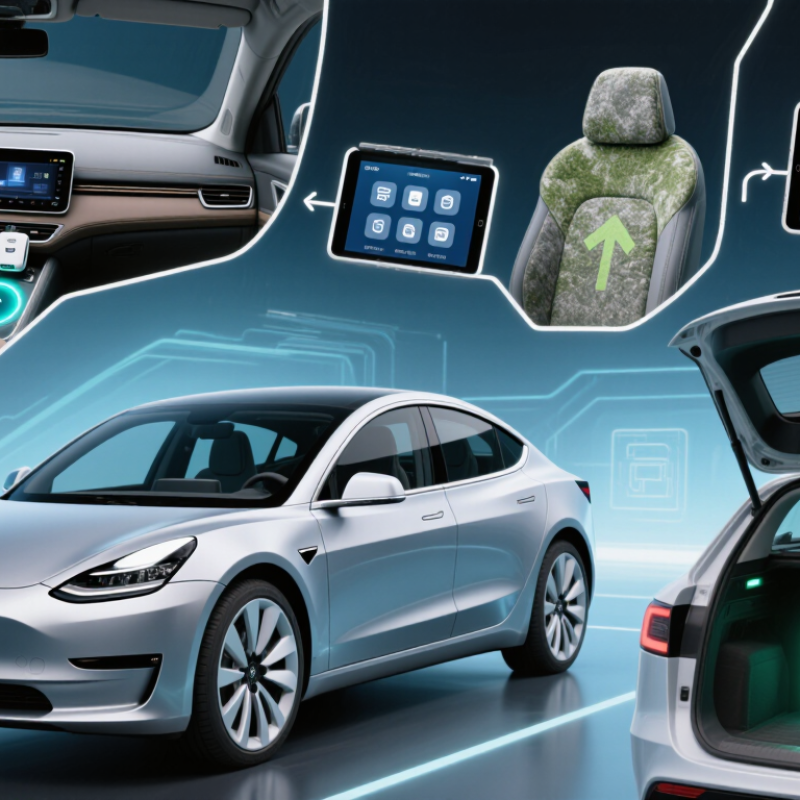
Vehicle connectivity is reshaping the auto accessories industry. Intelligent dashboards, wireless diagnostic tools, and connected safety sensors now extend a vehicle’s digital life. McKinsey estimates that automotive software and electronics revenue could reach nearly $470 billion by 2030. That growth creates space for accessories that monitor battery health, tire pressure, cabin temperature, and driving patterns in real time.
The aftermarket matters because many vehicles remain on the road for years. S&P Global Mobility reported that the average U.S. vehicle age reached about 12.6 years in 2024. A small plug-in device can give an older car useful connected functions without replacing its main systems. However, compatibility is still a weak point. Poor installation, unstable data links, and unclear privacy settings can reduce trust. I have seen attractive devices fail because their alerts were too complex for daily driving. Simpler screens often work better.
Tips: Choose accessories with clear update policies, secure data handling, and wide vehicle compatibility. Test alerts in a parked vehicle before regular use. Check whether the device drains the battery overnight. The GSMA’s 2024 mobile industry report highlights growing reliance on connected services, but connectivity alone does not guarantee value. Reliable performance, readable instructions, and careful user testing should guide every purchase.
Electrification is reshaping the auto accessories industry. The International Energy Agency’s Global EV Outlook 2024 reports nearly 14 million electric cars were sold worldwide in 2023. Electric vehicles now need different products, not simply modified petrol-car accessories.
Battery protection, thermal covers, charging-cable organizers, and weather-resistant storage are gaining practical value. The IEA also recorded more than four million public charging points globally by the end of 2023. This growth creates demand for compact home-charging holders, cable locks, and portable safety equipment. Interior accessories should support quieter cabins, flat floors, and large digital displays. Materials must resist heat, moisture, and frequent cleaning. Lightweight design matters, because extra weight can reduce driving range. That detail is easy to overlook.
Tips: Test accessories across several EV body types before scaling production. Measure heat exposure, cable strain, and installation time. Avoid products that block airflow or interfere with sensors. Regulatory requirements also vary by market, so technical reviews should happen early.
The opportunity is significant, but product development remains imperfect. Some accessories are marketed as universal, yet fitment can fail around charging ports or battery housings. The IEA expects electric car sales to keep expanding through 2035, but demand will not be identical everywhere. Suppliers should study local charging habits, winter conditions, and repair practices. Real-world testing beats attractive packaging.
The future of auto accessories is moving toward safer, calmer, and more intelligent driving. Safety will lead this change. Compact radar modules, blind-spot sensors, and 360-degree cameras can monitor nearby vehicles, cyclists, and obstacles. Better sensor placement matters. A poorly adjusted camera may create dangerous blind zones.
Adaptive lighting is another important development. Headlights can respond to speed, weather, and road curvature. In heavy rain, clearer lane visibility may reduce driver stress. Interior monitoring systems can also detect fatigue through steering patterns and eye movement. These systems should support drivers, not shame them. No sensor is perfect.
Comfort will become more personalized. Seats may adjust lumbar support during long journeys, while climate systems can respond to individual passenger preferences. Cabin air monitors could warn about smoke, dust, or rising carbon dioxide levels. Connected diagnostic tools may identify tire pressure loss before a warning becomes urgent. Autonomous driving accessories will add precise positioning, emergency braking, and smoother parking assistance. However, drivers still need clear controls and honest alerts. Too many warnings become background noise. Real-world testing remains essential, especially in snow, glare, crowded streets, and unfamiliar roads. That assumption needs testing.
Future auto accessories will be shaped by sustainable materials, cleaner manufacturing, and circular design. Buyers increasingly notice material origins, repair options, and end-of-life plans. The Circularity Gap Report 2024 estimates that only 7.2% of the global economy is circular. That decline continues. In practice, accessory makers should use recycled polymers, responsibly sourced fibers, and low-impact coatings. Recycled content can reduce virgin material demand, but quality consistency remains difficult.
Tips: Specify recycled content by percentage. Ask for third-party material verification. Keep evidence. Test heat, vibration, and ultraviolet exposure before production. A small failure can create unnecessary waste and damage customer trust.
Manufacturing will also move toward modular parts, water-based processes, and renewable electricity. The International Energy Agency’s Global EV Outlook 2024 reported nearly 14 million electric car sales in 2023. That growth increases demand for lightweight, durable accessories and battery-related components. Design teams should make covers, mounts, and trim pieces removable with common tools. They should also label materials clearly for sorting facilities. The EU end-of-life vehicle framework targets 85% reuse or recycling and 95% recovery by weight. These targets influence future accessory design beyond Europe. The hard truth is that “green” materials may still fail early. Accessories may need more testing, not less. That is uncomfortable. Companies should publish durability results, recycled content, and recovery pathways instead of relying on attractive claims.
Personalization is moving beyond color choices. Drivers increasingly expect accessories to match vehicle use, climate, and daily routines. An urban commuter may choose compact storage, washable seat covers, and low-glare lighting. A family might prioritize durable floor protection and flexible cargo systems. Fitment accuracy will matter more than visual appeal. Installers know that a small measurement error can cause noise, damage, or an expensive return. Digital tools can reduce that risk, but they are not perfect.
E-commerce is becoming an information service, not merely a sales channel. Buyers want clear dimensions, compatibility checks, installation time, and honest photos. Interactive vehicle filters can guide decisions before checkout. Yet poor product data still creates confusion. A beautifully designed page cannot replace precise specifications. Secure payments, transparent delivery estimates, and simple returns will influence trust. Customers notice when the actual package looks different from the online image.
Service models may create steadier value than one-time purchases. Mobile installation, seasonal inspections, repair support, and accessory upgrades can follow a vehicle throughout its ownership. Some providers may offer scheduled care packages for lighting, storage, or protection products. This sounds efficient, but recurring services must deliver visible benefits. Otherwise, customers will cancel quickly. Skilled technicians, documented procedures, and responsible customer support will separate reliable operators from temporary sellers. The industry may grow through convenience, although convenience alone is not enough.
Small plug-in devices can add battery, tire pressure, temperature, and driving-pattern monitoring. Useful, without replacing major systems. Compatibility still needs checking.
Look for wide vehicle compatibility, clear update policies, secure data handling, and readable instructions. Test the device carefully. Do not trust attractive features alone.
No. A connected device may have unstable data links, confusing alerts, or poor installation. Connectivity alone is not enough. Simple screens often work better.
Test every alert while the vehicle is parked. Check whether messages are easy to understand. I might underestimate this step, but unclear warnings can become background noise.
Yes, some plug-in devices may consume power overnight. Check battery behavior after installation. A morning no-start problem is a very concrete warning.
Radar modules, blind-spot sensors, and cameras can detect nearby vehicles, cyclists, and obstacles. Sensor placement matters greatly. A poorly adjusted camera may create dangerous blind zones.
Seats could adjust lumbar support during long trips. Climate systems may respond to individual passengers. Cabin monitors could detect smoke, dust, or rising carbon dioxide.
They may improve positioning, emergency braking, and parking assistance. Drivers still need clear controls and honest alerts. No sensor is perfect. Snow, glare, crowded streets, and unfamiliar roads require extra testing.
What Are The Future Trends In Auto Accessories Industry? The next generation of vehicle accessories will be shaped by smarter connectivity, electrification, and user-focused design. Accessories will increasingly communicate with vehicles and mobile devices, providing convenient control, real-time information, and personalized functions. As electric vehicles become more common, the market will expand around charging solutions, energy management, lightweight components, and products designed specifically for electric platforms. Safety and comfort will also remain important, with advanced driver-assistance support, improved visibility, intelligent monitoring, and enhanced interior experiences becoming more accessible.
Sustainability will influence materials, manufacturing, packaging, and product life cycles, encouraging durable designs, recycled inputs, repairability, and responsible recycling. At the same time, consumers will expect greater personalization through modular accessories, digital shopping tools, and flexible installation services. E-commerce, subscription-based support, and professional after-sales assistance may help customers select, maintain, and upgrade products more easily. Together, these trends point toward an auto accessories industry that is more connected, efficient, sustainable, adaptable, and centered on long-term customer value.
