RCM Auto RCM Auto

Top Premium vs Standard Accessories Key Differences

Time:2026-09-27 Author:Oliver
0%

Choosing between premium and standard accessories is not always as simple as comparing price tags. A leather wallet, phone case, or travel bag may look similar in a product photo, yet feel different in daily use. Stitching, material thickness, hardware, lining, and edge finishing can affect comfort and durability. Small details matter.

What Are The Differences Between Premium And Standard Accessories is a useful question for shoppers who want clear value, not just a prestigious label. Premium products often use carefully selected materials and more detailed construction, while standard options may prioritize affordability and practical function. These are general patterns, not guarantees. A higher price alone does not prove better quality, and a well-made standard accessory may suit some needs better.

This guide compares the features that can be checked in person or through reliable product information. It looks at materials, craftsmanship, fit, expected wear, care requirements, and warranty terms. For example, inspect whether a zipper moves smoothly, seams remain even near corners, and metal parts feel secure. These observations offer more useful evidence than vague claims about luxury. Still, no accessory lasts forever. Real wear depends on how often it is used and how it is cared for. That part is easy to overlook.

The goal is a practical comparison that helps readers match quality and cost to their habits. A premium accessory may justify its price through comfort or longer service, but not for every buyer. Standard can be enough. The right choice depends on the details, the intended use, and an honest look at what matters most.
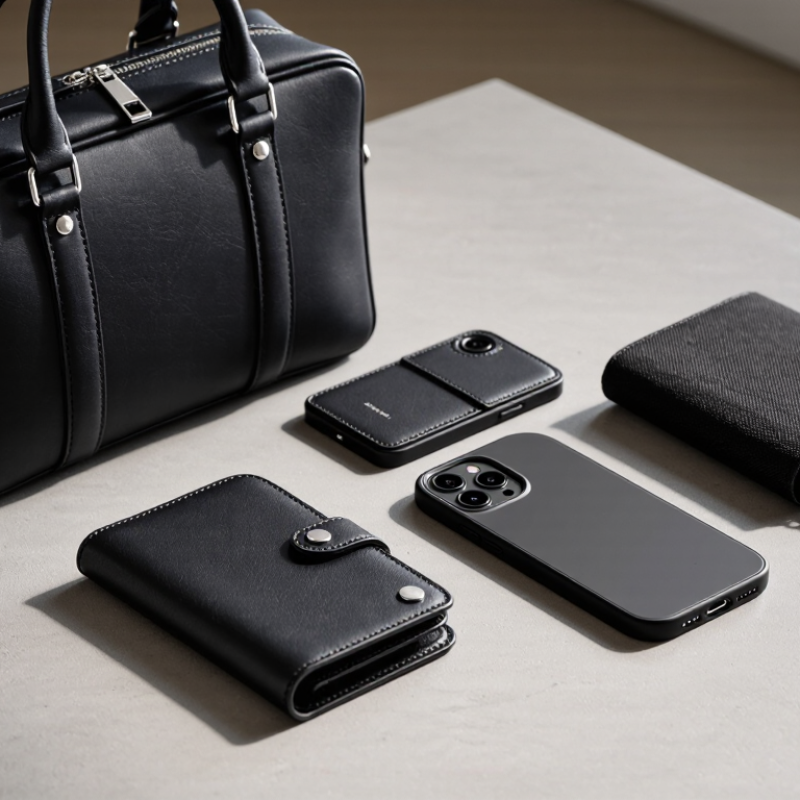
Top Premium vs Standard Accessories Key Differences

Defining Premium and Standard Accessories

Premium and standard accessories differ in materials, construction, testing, and the support behind them. “Premium” usually describes more than a higher price. It may mean a thicker cable jacket, carefully finished edges, stronger stitching, or connectors that fit securely without wobbling. These details can matter when an accessory is handled every day. Small things count.

Standard accessories are generally designed to meet basic functional needs at a practical cost. A simple sleeve might protect against dust and light scratches, while a standard charging cable may provide reliable everyday use when treated normally. Premium versions may use tougher outer materials, reinforced stress points, or more consistent quality checks. Still, labels alone prove little. A polished finish does not guarantee longer service, and a modest accessory can perform well for years.

To compare them, look at the specific task and the evidence available. Check material descriptions, compatibility details, warranty terms, and independent testing where possible. For example, inspect whether a case leaves buttons easy to press and whether its corners feel firmly joined. These are useful clues, not guarantees. The dividing line can blur, and personal use changes what “better” means. A frequent traveler may value a reinforced pouch; someone using an accessory at home may not notice the difference. There is no perfect shortcut.

Comparing Materials and Manufacturing Quality

Premium and standard accessories can look similar in a product photo. The difference often appears in the materials and the way each piece is made. Premium versions may use denser fabrics, smoother coatings, or metal parts with cleaner edges. Standard options may use lighter materials that keep costs and weight down. Neither choice is automatically better; the right one depends on how often the accessory will be used.

Look closely. On a fabric case, inspect the seam spacing and whether loose threads appear near corners. For a metal clip, check if the spring moves evenly and the edges feel rounded rather than sharp. A coated surface should feel consistent, though a glossy finish alone does not prove durability. Manufacturing quality shows in repeated details: aligned stitching, secure joins, and parts that fit without wobbling. These small checks are more useful than vague claims about “premium” construction.

I have found that a sturdy feel can be misleading. A heavy accessory may still have weak joints, while a lighter one can be carefully assembled. Ask what material is used, how parts are attached, and whether replacement components are available. Product descriptions do not always answer these questions clearly. That uncertainty matters. If possible, handle the item and test its closures gently before relying on it every day.

Evaluating Design, Fit, and Compatibility

Top Premium vs Standard Accessories Key Differences

Evaluating Design, Fit, and Compatibility

Design quality shows up in small details: smooth edges, even seams, and controls you can reach without shifting your grip. Premium accessories often use tighter tolerances and more durable materials, but price alone proves little. Check the connector’s alignment, the finish around moving parts, and whether a case blocks buttons or ports. A polished surface can still feel slippery. That matters during daily use.

Fit is measurable, not just a matter of appearance. Look for model-specific dimensions, clear installation guidance, and room for normal device movement. The European Commission’s 2021 impact assessment estimated that around 500 million external power supplies were sold annually in the EU, creating roughly 11,000 tonnes of waste. That figure concerns chargers, not accessory quality, but it illustrates the scale of compatibility problems. For charging gear, confirm supported power and data standards; a matching plug does not guarantee full function. For mounts or protective covers, check camera clearance, ventilation, and whether the device stays secure on uneven surfaces. Test before relying on it. I’ve seen a snug case interfere with a cable’s seating, despite appearing compatible. Manufacturer specifications and independent test reports are useful, though neither replaces checking the exact device version.

Examining Durability, Performance, and Support

Durability often shows up in small details. A premium cable may use a thicker jacket and reinforced ends, resisting fraying after months in a work bag. A standard version can perform well, too, but its connectors may loosen sooner under frequent bending. Materials matter, yet careful use matters more than a higher price tag. I have seen sturdy accessories fail after being crushed beneath a chair. Not indestructible.

Performance depends on how consistently an accessory works in everyday conditions. A well-made charger may deliver steadier power, while a precision-fit case can keep buttons easy to press. Still, premium construction does not guarantee a noticeable improvement for every user. Some differences appear only with daily use, and some are hard to justify. Support is another practical distinction: clearer setup instructions, accessible replacement parts, and responsive help can reduce downtime when something stops working. Check the warranty terms and keep proof of purchase. Small steps.

Before choosing, consider your routine: a headset used for calls all day faces different demands from one used occasionally. Reviews can reveal recurring problems, but one complaint is not proof of a widespread defect. I’d compare real-world wear, compatibility, and support options rather than relying on packaging claims alone.

Premium vs. Standard Accessories: Key Differences

Illustrative comparison across durability, performance, and support. Scores use a 1–5 rating scale and are general examples, not results from a controlled product test.

At a glance: Premium accessories are often designed with more durable materials and added support, while standard options may offer adequate performance at a lower price. Actual results vary by product and manufacturer.

Assessing Price, Value, and Best Use Cases

Premium accessories often cost more because they use sturdier materials, tighter stitching, better-fitting connectors, or replaceable parts. That price makes sense only when those features match your routine. A cable bent daily beside a desk may benefit from reinforced ends; a spare kept in a drawer may not. Small details matter.

PwC’s 2024 Voice of the Consumer Survey found that respondents were willing to pay an average of 9.7% more for sustainably produced or sourced goods. The survey covered 20,000 consumers across 31 territories. This is a broad consumer signal, not proof that premium accessories last longer.

Before paying extra: Check the warranty terms, repair options, material specifications, and independent test results. Not always.

Standard accessories can be the practical choice for occasional use, short trips, or fast-changing devices. Premium options suit frequent handling, demanding conditions, or situations where failure causes real inconvenience. For example, a commuter might value a reinforced laptop sleeve, while a rarely used travel adapter needs only a secure fit and clear safety markings. Compare cost per expected year of use, but treat lifespan estimates cautiously; actual wear depends on handling and storage.

FAQS

What usually makes an accessory premium?

It may have denser fabric, reinforced stress points, cleaner edges, or more consistent quality checks. The label alone proves little.

Are standard accessories suitable for everyday use?

Often, yes. A basic cable or sleeve can work well when used normally. Some last for years.

How can I check an accessory’s build quality?

Inspect seams, joins, and moving parts. Look for loose threads, sharp edges, or a clip that moves unevenly.

Does a heavier accessory mean it is stronger?

Not necessarily. Weight can feel reassuring, but weak joints may still fail. A lighter item can be carefully assembled.

How do I check whether an accessory fits my device?

Confirm the exact model and dimensions. Check that buttons, ports, and the camera remain clear.

Does a matching charging plug guarantee full compatibility?

No. Check supported power and data standards too. A plug can fit while some functions do not.

What should I test before using a case or mount daily?

Check closures gently and see whether the device stays secure. Make sure the case does not block a cable or camera.

Is a premium accessory always worth the higher price?

It depends on your routine. A frequent traveler may value reinforced protection; home use may not reveal much difference. We can misjudge this.

Conclusion

What Are The Differences Between Premium And Standard Accessories? The distinction typically begins with materials and manufacturing quality. Premium options may use more refined components, tighter production tolerances, and closer quality checks, while standard accessories often prioritize practical function and affordability. These differences can influence finish, comfort, and how consistently an accessory performs, but a higher price does not automatically guarantee a better fit for every user.

Design, compatibility, durability, performance, and after-purchase support also matter. An accessory should suit the intended device or activity, fit securely, and meet everyday demands. Premium choices may offer greater longevity or more attentive support, whereas standard options can provide dependable value for occasional or straightforward use. The best choice depends on your priorities, expected frequency of use, compatibility needs, and budget. Comparing these factors helps you pay for useful improvements rather than features you may not need.

Oliver

Oliver

Oliver is a seasoned marketing professional with a wealth of expertise in driving brand awareness and engagement. With a deep understanding of our company's product offerings, he consistently delivers high-quality content that enriches our professional blog. His insights not only shed light on......